Describe the signs
Tell us what you have noticed, where it is happening and when it started.
insects
Bed bugs can be difficult to confirm from bites alone. Look for physical signs and avoid moving items between rooms.
What to look for
These signs are a starting point, not a confirmed identification. Contact Pest Direct if you are unsure.
Understanding the problem
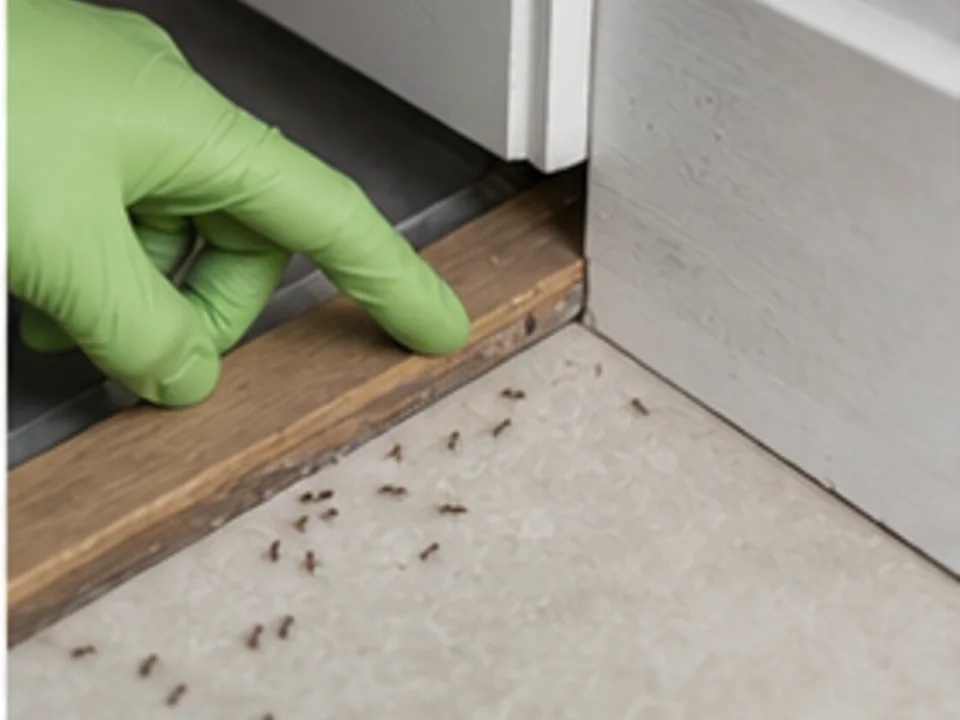
Bites alone cannot confirm bed bugs because skin reactions vary and have other possible causes. More useful evidence includes dark spotting, shed skins, eggs or live insects around mattress seams, bed frames, headboards and nearby furniture.
Where signs may appear
Bed bugs can be introduced through luggage, furniture or movement between occupied rooms. They are not a sign of poor hygiene. In flats, hotels and shared accommodation, adjoining rooms or units may need to be considered if the evidence suggests wider movement.
Next steps
Tell us what you have noticed, where it is happening and when it started.
The pest, likely source and suitable next step are considered.
Inspection, treatment or proofing options are explained before work begins.
Practical prevention advice is provided where it is relevant.
Before an assessment
Avoid moving bedding, furniture or belongings into unaffected rooms. Photograph any insect or spotting, keep a specimen securely if practical, and wait for preparation instructions before bagging, washing or disposing of possessions. Unplanned clearing can spread activity and remove useful evidence.
Longer-term protection
Follow the agreed preparation and follow-up instructions carefully. Inspect second-hand furniture before bringing it indoors, reduce unnecessary clutter around sleeping areas and check luggage after travel. Monitoring may be needed because hidden life stages are easy to miss.
Questions
Share the signs you have found and where they occur. Pest Direct can help decide whether an inspection or another next step is appropriate.
Usually it is better to avoid disturbing nests, droppings, harbourage or entry points before asking for advice, as these signs can help with assessment.
No. Bites are not reliable identification on their own. Physical evidence around the sleeping area or a captured specimen gives a much stronger basis for assessment.
Local coverage
Check the closest service-area page, or send your postcode for a direct coverage check.